Yesterday's forecast called for 75 degrees and 8-15 mph winds. I forgot to do the Central Montana add 10. Along the Rocky Mountain Front, from Clark Canyon Reservoir up to the Canadian border, you have to add 10 mph to the forecast wind speeds to get the actual wind speed. For instance, say you're going to float the Missouri River and the NOAA forecast calls for 7-10 mph wind with gusts to 15. Well, in reality, it's probably going to be 17-20 mph with gusts to 25. Yesterday, I was so optimistic to go fishing and needed it so bad, that I neglected to do that. In this case, I should have added 20 mph as the sustained gusts were enough to halt my plans for fishing altogether. Anyway, I heard Georgetown Lake had 2 ft. swells yesterday. I can't imagine what it was like on the Missouri! Ha!
My girlfriend and I rescued these guys from a dismal end this summer. Fishstick, the largest is about 5 inches long. After a couple weeks of recovery, these fish are in great shape and are a ton of fun to watch. Goldfish (Carassius auratus) is one of the smallest members of the carp/minnow family (Cyprinidae) and they have very similar looks and behaviors. They are always tailing around the tank and they cloop like crazy when we feed them. The cat likes them too!
Peep the cat stalks Sanchez the mini carp
I'm having a nasty case of fishing withdrawal as I've been too busy birding in the Berkeley Pit. Yep, I said that and yep, it's true. Unless there is a major emergency, I will be out on the boat in some new water this weekend. Stay tuned for some autumn beauty in Montana and more fishy nonsense...
A friend recently showed me how to take really cool slo-mo release shots with my iPhone. The videos start at normal speed, slows down, and then go back to normal at the end. It creates a really cool effect that is perfect for releasing fish.
On your iPhone, open the camera, select the slo-mo option and have fun!
(updated 10 minutes later):
Ok, so when you export the slo-mo movie you took on your iPhone it will not play in slo-mo like it did on your phone. I researched why and it has to do with the way the iPhone records these videos. They are not actually filmed in slow motion, the phone's app just makes it look that way. Don't fret, there are a variety of ways to get around this. Here are some links which helped me out:
I ended up just downloading the free iMovie app, adding a filter which didn't change the video much, and then saving it. Now, it will export with the slow-mo effect!! You have to add the filter or do something to it in the app, but that's it.
It has been another very busy summer for me. Between finishing my degree, making enough money to live, and fishing my ass off, I've had my hands full. I have slept in my house just a handful of times in the past few months and have been happily far away from the internet.
Montana's hot, dry summer has caused me to go all in on carping for the most part. There is some ok trout fishing to be had, but why the hell would anyone pass up great technical fishing to large, hard-fighting fish for mediocre trout fishing? The trout will be back soon.
The mirror carp above was caught on a Stalcup's Cluster Midge. Yep, a dry fly. And no, not a hopper. It was my last fish of the day and it ran all the way across the river and took me deep into my backing. It was one of many carp caught on the surface that day. It was also my first mirror on a dry. I'd bet that even the old carp guard folks have never caught a mirror on a dry!! Cool.
Upper Missouri River Elk
When you have the river to yourself, the big animals come out to hang out with you. This mother elk and her 2 babies came out to spook up some of my carp.
Missouri River Moose
I was happy that this guy (gal?) was on the other side of the river!! To date, the only animal that has ever chased me and scared the shit out of me is a moose.
I went up to Canyon Ferry Reservoir yesterday to chase some mirror carp, cool off, and also check out the mandatory mussel decontamination stations. I had been reluctant to launch the boat on Canyon Ferry because I didn't know what the decontamination at the end of the day would entail. At first, the idea of power washing my newly refinished wooden boat with hot water made me a little panicky.
To be clear, decontamination stations are at the boat launches on Cayon Ferry and Tibor Reservoirs (water bodies with detected zebra/quagga mussels). There are boat checkpoints all over the state that have the ability to decontaminate a vessel but these decontamination stations are a bit more comprehensive. My plan was to fish all day and then take a few pictures or a video of the decontamination process to share with folks that may be apprehensive or just curious.
So why then, is there a picture from Montana.gov and not a bunch from me? It's because it went so fast that I didn't even have a chance to ask if it was ok to film!!
Here's why it went so fast. At the launch, while taking my boat out, I made sure to:
Drain the boat
Removed all my flooring mats
I left the oars in place and my trolling motor attached.
I took out all my fishing stuff and pulled the gear out of my storage compartments
I used my Montana FWP sponge (free at checkpoints) to quickly wipe up any water that did not drain
I then drove up to the decontamination station and turned off the truck to ready myself for a hot wash and some picture taking. By the time I got out of the truck and walked over to talk to the inspector that was filling out the inspection form he said, "ok, you're good to go!" In that time, 2 other inspectors had checked the entire boat (it's a drift boat so, not much to inspect) and I passed inspection. It was just as fast as the checkpoints and because I made sure to show up with a totally dry boat, it honestly took about 3 minutes and I didn't have to be decontaminated. I essentially did it myself when I dried the boat at the launch.
So there you have it. Go to Canyon Ferry and have fun. It's no big deal. There is a mandatory engine flush for larger gas powered boats which will take a couple more minutes, but still.
The annual and usually predictable traveling sedge hatch on Georgetown Lake, Montana has been anemic this year, to say the least. After 3 weeks of heartbreak, I think it's time to move on the some of the year's best carping.
To be fair, the fishing is still good up at the lake. There are daily spinnerfalls of callibaetis and the damsels get going around noon. The fish will eat a damselfly nymph slow stripped or fished below a dry or bobber. The sight fishing on sunny days in the shallow flats has been really fun and many of these fish are eating dries as well as your perfectly cast damsel nymph or small leech. I did see the sedges. Each day I saw more and more. Right at dusk, you will see quite a few and if you've never seen the hatch at full bore, you might think it looks ok. But, it's not. There should be more bugs, the fish should be so keyed in on them that they eat the dry all day, and it should definitely be going strong by now. The lake has been full and we had a nice normal wet spring. Maybe it's still coming; I don't know.
Anyway, it's hot in Montana and so is the fishing. It's also prime time for giving the trout a break from the summer crowds and exploring all over Montana's carp country.
The scorching-hot dog days of summer have taken hold across the great state of Montana. However, unlike the last few years, there is still lots of water and the fishing is shit hot.
Still water carping in the reservoirs is about as good as it gets right now. The fish are post-spawn and hungry. Early morning into early afternoon is the best time as they start to fade off when it gets mega-hot. You'll find them but they won't eat like they did earlier in the day.
We've been hitting Georgetown every weekend for the past couple in order to hit the traveling sedge hatch. These huge caddis are awesome and this is one of my favorite hatches. Due to the high lake level and the cool spring, the water temps were just not warm enough yet to get them to pop on a grand scale. We saw a couple here and there and had some surface eats on our not-so secret pattern but the hatch had yet to materialize. Since last weekend, it has been hotter than 2 hamsters farting in a wool sock. I would bet the dog that they're going off tonight!
The damselflies are a major factor for the G-town trout and the still water carp now. Putting a damselfly nymph a couple feet below your high riding "caddis" pattern will get you into fish at G-town all day long. Additionlly, dropping one in the action zone of a large, slow-cruizing carp may result in excitement and hilarity.
Stay tuned for Georgetown updates and some summer carp action!
Carp flies now sold at Sportsman's Warehouse in Helena
The huge variety of fishing options in Southwest Montana makes it much harder to write coherent fishing reports like I could do in Missoula. I write reports every once in a while so that there is a non-biased, transaction-free source of information out there for anyone who cares. I also use this blog as a personal fishing log which comes in handy sometimes for my own pursuits. So here it is:
Big Hole River:
It was huge and the salmonflies have come and gone. Usually, the fishing sucks for a couple weeks after the hatch. It's called the "salmonfly hangover" and it can really suck. I avoided the party this year due to my trip to Florida and the shitty conditions. The river is dropping in nicely now and summer on the Big Hole should be the best it has been in years. It would be awesome to be able to fish hoppers in the afternoon this year!
Upper Clark Fork:
As the river drops and clears, the caddis fishing will get insane. The Upper is a caddis stream through and through.
Silver Bow Creek:
I haven't been out there yet this year but things usually get going right about now. You'd be surprised by what may eat your larger attractor dry or simple streamer...
Missouri River (Craig reach):
I have to distinguish what area now because my Missouri River Range has grown so much over the last few years. The dry fly bite is on big-time. There are pods of snotty MO trout all over the river. You need to bring your A game. Perfectly placed casts and drag free drifts are crucial. Fly selection comes second in importance. They will eat PMD spinners, caddis, and buzzballs like candy if you can present them properly. Holter Lake Carping:
I'm embarrassed to say that it was my first time on the boat up at Holter recently. It is such a beautiful place! I didn't have much info on carp fishing up there but I knew that they had to be there. They are, and they get big like in Clark Canyon. The carp were tough and I got my ass handed to me. There is still a bunch that are spawning but I was able to find some over on the rockier eastern shore that were willing to eat. I even landed one of the largest carp yet to date. I can't wait to get back up there again. There are also some great trout in Holter!
Three Forks Ponds Carping:
The carping in the Three Forks Ponds is outstanding right now! There are still some spawners but the ones that aren't are tailing in groups in the flats. Throw a small black wooly bugger or small leech pattern for all-day action.
Clark Canyon Carping:
I haven't been down there since I've been back but I imagine it is the same as Holter. They were in full spawn mode before I left and the fishing was hit or miss picking on the wallflowers. The carping should get better and better here by the day. It's time to start thinking about callabaetis, damsels, and dragonfly nymphs perfectly cast and timed to be in the hot zone of a slowly cruising, golden submarine.
Georgetown Lake:
I will be checking in on Montana's finest brook and rainbow trout lake very soon. The traveling sedge caddis should be underway as we speak and intensifying over the next few weeks. Also, callabaetis, damsels, and dragonflies in nymph and adult form will play out as well. The traveling sedge hatch on G-town is one of the finest of any hatch you will ever encounter. Big bugs and big willing fish are what it is all about. Have you ever had a 100+ fish dry fly day?
One of the most important skills an angler needs to consistently be able to catch carp on the fly, is the ability to read the carp's behavior. Right now, across the northern USA, many carp are spawning. If you are new to carping, this can be an exciting and frustrating time. There may be carp everywhere, some larger than you may have ever seen, and some may even be jumping way the hell out of the water. To the beginning carper, all of the fish and activity can truly blow your mind and get your heart pounding. However, I've got bad news. You're going to want to keep moving if you want to actually hook one by the mouth!
Generally, spawning carp will not eat. You will be wasting your time on these fish but likely, there are fish feeding close by. Instead of pulling all of your hair out, you'll need to find the fish that are actually willing to eat. Surprisingly, fishing during the spawn can be incredible, as long as you can read the fish's behavior and choose the right one to cast to. To complicate this, there are many different types of spawning behaviors. Below I will discuss a few.
Carp spawning behaviors
Obvious spawning behavior: This is a no-brainer. If you are seeing groups of carp circling each other and splashing around in super-shallow water right next to the shore, these carp are obviously getting busy and are not going to eat anything you throw at them. Keep moving!
Subtle spawning behavior: I took some folks out earlier this year before I assumed any carp would be spawning. These carp were slowly chasing each other around and were in small groups that were both, closely and loosely grouped. Sometimes there would be just 2 or 3 moving slowly. In August, this would simply mean 2 fish cruising slowly; pick the bigger one and cast to it! However, during the spawn, these fish will not eat. Even though it may not be super-obvious spawning behavior, they are in some aspect of spawning. We couldn't get any to eat anything. Move on!!
This conduct can be the hardest to read. Below is a video I took of a group of carp exhibiting this behavior. Notice how they are grouped up. Before I started filming, they were in smaller groups and sometimes they were alone, but not for long. These fish were not actively engaging in reproduction but they were courting each other. These fish are not looking for food!
Many books, blog posts, presentations etc. have described what has come to be known as "wallflowers." These are carp, which are in the vicinity of spawning carp but for whatever reason, are not taking part in the ritual. They may have already spawned, may be taking a break, or are just not ready to spawn yet. These fish are catchable and there are at least 2 types of wallflower behavior.
Inactive wallflowers: These carp will be in the vicinity of spawners but may be sunbathing, resting, sitting still, or some other type of passive behavior. Just like any other time of the year, these fish may be caught but they are not actively feeding and therefore, the results may be varied. Make a few casts to them, if you are not getting any responses, change flies. If still nothing, move on! On some days, these fish will wake from their inactive state at the sight of your fly and pounce on it. Other days, they'll wake up and bolt.
Active wallflowers: Just like you may have already imagined, these are actively feeding/searching carp and they will eat big-time! If you can distinguish the difference between "subtle spawning behavior" and "active wallflowers," you are in for a good time. Sometimes these active wallflowers will be in a completely different part of the lake or stream. But as I ran into last week, I caught tons of active wallflowers tens of feet away from actively spawning shore splashers. My targets were tailing hard and some were even clooping. It was really insane to hook into one and watch it blow up the hundreds of spawners as it made its initial run.
In conclusion, reading carp behaviors is always important for distinguishing actively feeding fish from those that are not. During the spawn, it can be even more challenging. However, if you put in the time, the spawn can be some of the best fly fishing for carp of the year. Many of our Montana streams are currently experiencing a solid spring run-off. Don't get bummed, go carping!
A group of carp showing subtle spawning behavior
These carp are exhibiting a more obvious subtle spawning behavior. Keep moving!!
Tonight at 6 pm, I will be giving a presentation on the fun, joys, and heartache of fly fishing for carp at the George Grant Chapter of Trout Unlimited Annual Meeting. The presentation will start shortly after 6 and will be in the conference room. Come have a beer and learn about one of the most underutilized and fantastic fishery in SW Montana!!
Check out this cool fish art my girlfriend got me for my birthday. It is painted on leather and strung into a wooden net with fly line. The artist said it was her first carp. She got the hysterical, I'm about to freak out, carp eye and face perfectly. Awesome! She usually paints trout and salmon and her work can be found on her facebook page and on Instagram Pulham Paintings (@pulhampaintings).
In two weeks, I will regain some semblance of my life back. It cannot come soon enough. The boat is done and more beautiful than when it was brand new. I will post a follow up to the last post soon. I still have to put all the parts back together. The second maiden voyage will kick-start a new era.
It is truly spring now. I have seen many osprey and pelicans. The Oncorhynchus genus are spawning throughout the state now. The carp are also getting going for real. I need some good tent/boat time. I may also get some SW Florida time soon. The chronicles should get a lot more fun in the coming weeks!!
Until then, I'll listen to old Grizzly Bear at my desk.
Is this a spartina grass flat filled with redfish in some tidal channel in South Carolina?
Carp flats of Clark Canyon, Montana
Nope! It's the carp flats of Clark Canyon, Montana. I walked for miles and found no carp in the flats at Clark Canyon, yet. Still hard to beat a long walk with the dog and some taco bus on the way home!
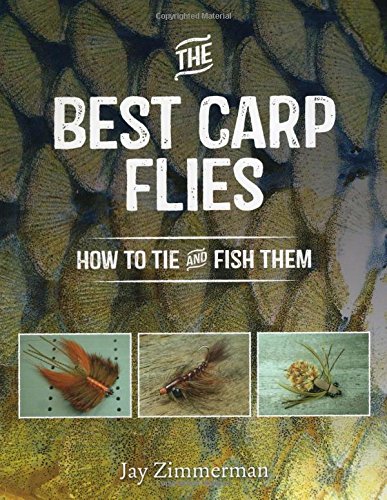
This book will make you a better fly tier no matter what species your fish for! I have read it about 10 times and it's already been to 11 US states with me, and I've only had it since Christmas!! If you fish for carp, it is a MUST OWN.
I first learned to tie flies by reading Jack Dennis' series of books about 1000 times. Over the years, I've gone through a lot of tying books, internet videos, and tying groups which have given me what I've needed to become a decent fly tyer. Then, I got Jay Zimmerman's book for Christmas this year. Reading it gave me the same feeling I had as a beginner reading Dennis' books. This book has everything you ever want in a fly tying book and more. However, there is no fluff, stupid romanticized stories, or bullshit. It's just good stuff. Period.
Ok, so Erin Block (Jay's wife) wrote the forward. She is cooler than the other side of the pillow. Her writing style is awesome and I've been a fan of hers for a while. She writes for many outlets but she also has written for TU's Trout Magazine, which makes me love her even more. The forward is classic Block and you can tell that parts of it were used in "The Long Shot," one of my favorite fishing movies.
Chapter 1 is Jay giving you the total lowdown on fly fishing for carp. He describes everything from carp ecology and habitat to leaders and fly weights. He describes the types of carp behavior you'll encounter and types of shots you'll likely find yourself having to make. He even has a section on how to fight a carp. Jay's writing style is somewhat unique and adds, even more character to the subject.
In Chapter 2, Jay takes carp flies to a systematic science. This chapter alone, will make anyone a better tyer and fly designer no matter what their quarry. The way he breaks down hook and weights pairings, what he calls "chassis," is outstanding. His tying tips are real tips, not just advice for beginners. Jay's humor and pictures are great. You'll learn more in the 12 pages of this chapter than you will in many other books on the subject.
The rest of the book's chapters are dedicated to a carp fly each. All of these flies work for other species but the focus always stays on carp. Each chapter starts with a fun genesis story for each pattern. Then, there is step by step instruction with color pictures for every step. At the end of most chapters, there are even additional versions for each fly. So, the book is packed with carp patterns! This book will have flies that your local carp will eat no matter where you live on this planet. There are general attractor-type patterns and match the hatch ones as well. Jay even has a cottonwood seed fly in there which he ties with hair from his dog. "The Best Carp Flies" is truly one of the best fly tying books I've ever read, and that says a lot!
Carp season has begun in Central Montana! Well kinda. You've got to know where carp are this time of year. This guy came out of Canyon Ferry in open water. Find the open water and you'll most likely find the carp. I drove a huge loop to the main carp waters of Central and Southwest Montana over the past two days and here's what I found...
Update on the carp conditions in Central and Southwest Montana:
Clark Canyon:
Most of the lake is still frozen solid with 2+ feet of ice. The ling are getting going with their spawn so, catch that while you can. There is a large, open-water area near the mouth of Horse Prairie. I'd bet good money that there'll be carp tailing in there on the warm sunny days from here on until ice-out. It's not right at the mouth of the creek so, it's not all quick-sandy. The mouth of Red Rocks can be scary during low water because the fine sediment is deep. I'd bet there is some open water there too.
Three Forks Ponds:
If the weather stays warm (I don't think it is supposed to), the ice may retreat enough to allow the carp to start feeding in the open, shallow water within the next couple of weeks. As of now, the ponds are still mostly frozen to the shore. I would not walk on the ice!
The Lower Jefferson River:
It still looks like the arctic on the lower Jeff.
The Upper Missouri River below Toston Dam:
The river is big, cold, and off color. No good.
Canyon Ferry:
The majority of the lake is still frozen and will be for quite some time. However, there are many tributary streams that enter the lake. Find the mouth of one and most likely, you will find a bit of open water. There are surface and groundwater flow coming in which makes these areas warmer than the rest of the water in the lake. These areas area also shallow and now warm up pretty good on warmer, sunny days. The carp will pour out from under the ice to feed in these bays. Fun, fun, fun!
I got a location tip from an ice fishing guy last week who was witnessing this. I checked it out and it was awesome!
"The Montana Department of Environmental Quality, Montana Fish, Wildlife & Parks, and the Bureau of Reclamation began monitoring several parameters in Spring 2016 that may have contributed to severe turbidity and algae blooms in Clark Canyon Reservoir and the Beaverhead River over the past two summers. The river again turned turbid in late July and over the first weeks of August, 2016."
"A public meeting is planned for 6:30 p.m., Tuesday, February 7, 2017 in the USDA Service Center Conference Room, 420 Barrett St. in Dillon. Entry is via the east door. Monitoring results, which are expected to be available at that time, will be discussed."
It's been a crazy couple of weeks around here. 2016 is just about over. I'm hoping that my first fish of the new year will be of the saltwater variety (more on that soon). We'll see if all my practice with the carp will pay off on the flats of the Gulf Coast. Stay tuned...